
Nature- and brain-based design: Biophilia and environmental neuroscience for urban resilience
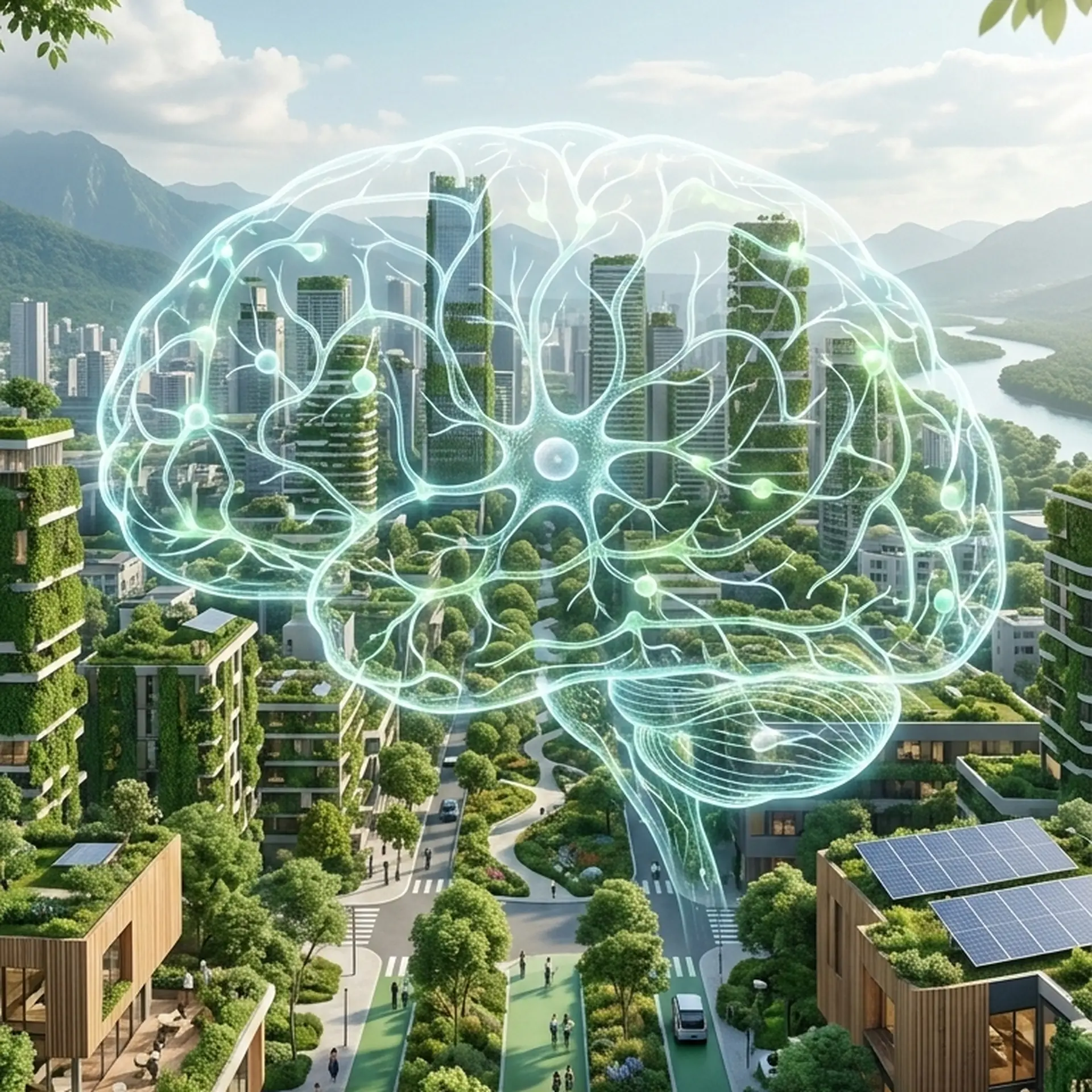
Categories: Urbanism
Wishlist Share
Share Course
Page Link
Share On Social Media

About This Course

This course provides the theoretical and conceptual foundations for urban design, focusing on the relationship between nature, the brain, and human well-being. Based on the principles of biophilia and environmental neuroscience, it explores the scientific basis for how urban spaces influence perception, behavior, health, and the resilience of cities.

The subtopics focus on building criteria, language, and analytical frameworks that allow us to understand the city as a living, sensitive, and adaptable system, laying the foundation for future application in the field of urban and architectural design.

Note: It is essential to complete all videos, reflections, and quiz exercises to obtain your course accreditation diploma. 

Show More

What You’ll Learn

  • Understanding the fundamental principles of biophilia and its relevance in the urban environment.
  • Recognizing how the human brain perceives, processes, and responds to urban spaces.
  • Identifying relationships between the built environment, well-being, stress, and urban resilience from a neuroscientific basis.
  • Analyze the city as a complex socio-environmental system, integrating nature, human experience and urban context.
  • Develop a critical and well-founded perspective that serves as a basis for future design decisions.

Course Content

Introduction to the course
This course proposes a new way of understanding and designing the city through the relationship between nature, the brain, and the urban environment. Through the foundations of biophilia and environmental neuroscience, you will explore how spaces influence perception, well-being, and resilience. From an integrated perspective, you will develop analytical frameworks and design criteria to rethink urban design as a tool for restoration, connection, and regeneration.

  • Introduction and welcome
    03:36

Unit 1. Conceptual framework: city, nature and brain
Purpose: Introduce the language and foundational concepts of the course. Unit Description: Before considering how to intervene in the city, it is essential to understand it. This unit introduces the fundamental concepts that structure the course and establishes a common language for analyzing the urban environment. It explores the city as a complex system in which environmental, spatial, and human factors interact, highlighting the relationship between nature, the brain, and well-being.

Unit 2. Nature-Based Design and Biophilia
Purpose: Understand biophilia as an integrative framework for environmental design. Unit Description: Nature has always been a source of adaptation and balance. Building on this premise, this unit explores nature-based design as an integrative approach to understanding the urban environment. It examines the principles of biophilia, its theoretical frameworks, and its connection to the greening of urban spaces and the human experience.

Unit 3. Neuroscience and Evidence-Based Design
Purpose: Introduce the neuroscientific approach applied to the urban environment. Unit Description: Every space we inhabit generates a response in our brain, even if we are not always aware of it. This unit introduces the foundations of neuroscience as applied to the urban environment, exploring the scientific basis of perception, emotion, and behavior, as well as evidence-based design as a framework for analysis.

Course Closing. Reflections and Future Outlook
Every learning process gains meaning when it is projected into the future. The course closing invites a critical reflection on the knowledge acquired and opens the door to future applications and opportunities for continued learning in biophilia, environmental neuroscience, and urban resilience.